

Is Korean Feminine Care Different From American Products?
Korean vs. American Feminine Care: What's Actually Different?
If you've only used mainstream US feminine care products, Korean formulations can look unfamiliar different textures, different ingredient lists, different product types entirely. Here's what's actually different, and why it matters.
Ingredient Philosophy
Many Korean formulations, including NUCLID's line, are built around fermented actives like Lactobacillus Ferment Extract and PDRN used in place of a plain water base. Fermentation is a well-established approach in Korean skincare more broadly, valued for its compatibility with skin and its concentration of active compounds. This is a different starting point than most US feminine washes, which are typically formulated around surfactant bases with added pH adjusters.

Clinical Testing Standards
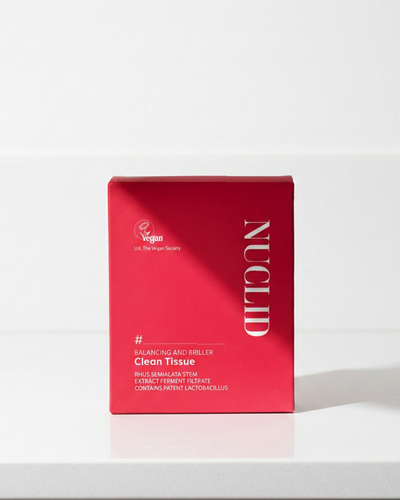
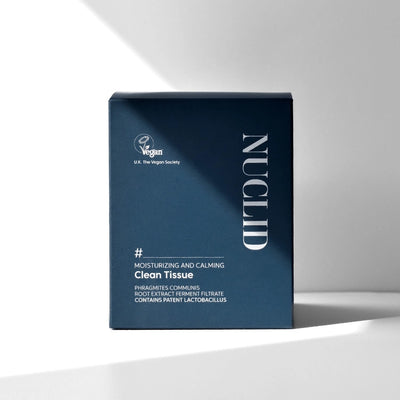
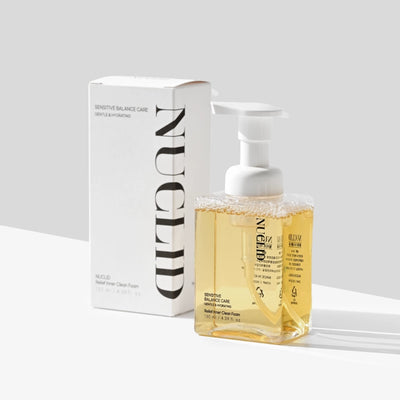
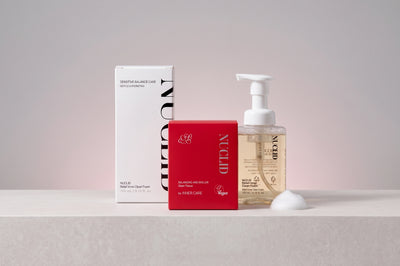
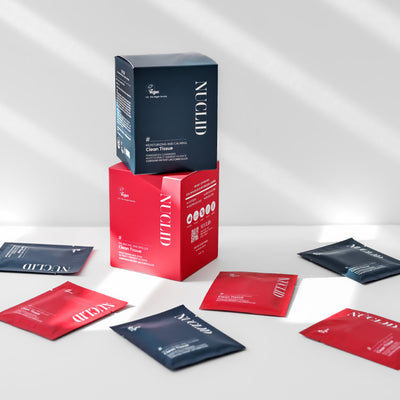
Clinical testing for pH balance, candida-related irritation, and general skin sensitivity is a common formulation checkpoint in Korean feminine care development. NUCLID's Clean Tissue line and Relief Inner Clean Foam are both tested along these lines before release.
Format Differences
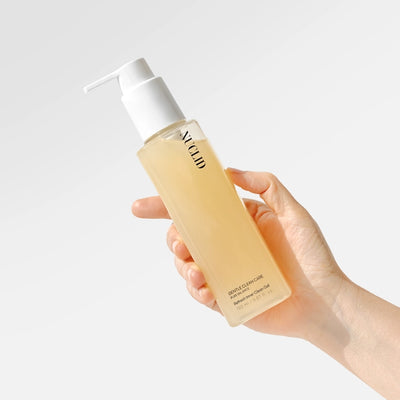
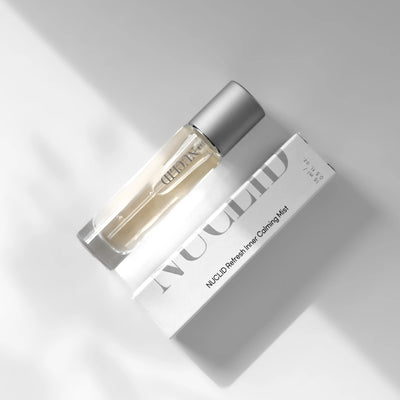
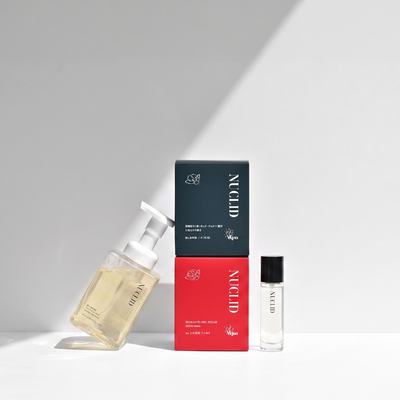
Korean feminine care routines often use a wider range of product formats than what's typical in the US — foam washes, individually wrapped tissues, and fine-spray mists, each addressing a different moment in the day, rather than a single wash-and-go product.
Is It Safe?
Feminine care products, in both Korean and US markets, are generally regulated as cosmetics rather than drugs, meaning claims are focused on cleansing, comfort, and pH maintenance rather than treatment of medical conditions. As with any new skincare or feminine care product, it's worth patch-testing and discontinuing use if irritation occurs. If you have an active infection or ongoing symptoms, that's a conversation for a doctor, not a product switch.
Shop Porefyning Mousse Cleanser· See the full Feminine Wellness


